

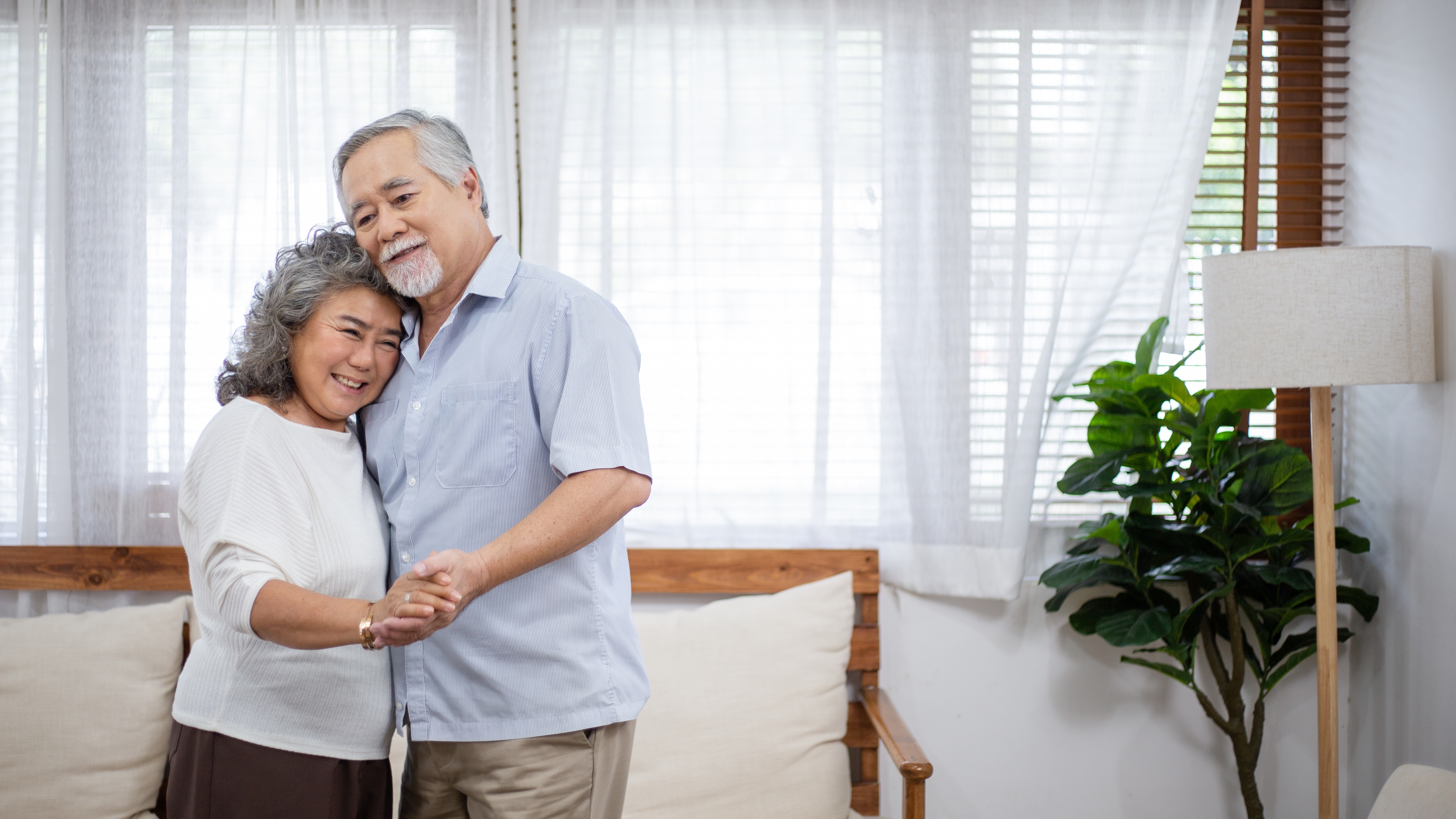
Many of us may associate “healthy aging” with a balanced diet, regular exercise and keeping our minds engaged. But there’s another factor that can also influence long-term health: your living environment. The place you call home can affect everything from your physical safety to your social life. Having a supportive environment with age-appropriate housing, community connections and support systems is just a few of the factors that can benefit the physical and mental well-being of older adults beyond the biological stuff.
Read: Are you eating and drinking like a 20-something? Time for a change
Discover: Navigating long-term care options for seniors
In this article, we’ll explore how your living space can support longevity and offer practical advice for creating a home that fosters comfort, independence and connection — regardless of age.
Beyond Diet and Exercise: How Your Environment Shapes Healthy Aging
“Healthy aging” isn’t just biological — it’s environmental, too. A supportive home environment can lower the risk of falls and promote cognitive function and emotional well-being. The social aspect of a person’s life can also influence longevity. The spaces you inhabit can either nurture your independence or quietly limit it — often in ways you may not realize until later in life.
“The environment is a huge factor because it impacts whether or not the aging person experiences loneliness and/or social isolation,” says Jennifer L. FitzPatrick, MSW, LCSW-C, CSP, a former gerontology instructor at Johns Hopkins University’s Certificate on Aging program, author, and founder and CEO of Jenerations Health Education, Inc. “For example, if a person lives alone and doesn’t spend quality time with friends and family regularly, loneliness and isolation may have an impact on physical, mental and cognitive health.”
What Aspects of a Living Space Matter Most?
A healthy living environment can involve various factors, including:
Safety
The risk of falls is significant among older adults, with more than one out of four older people experiencing falls each year. Research shows that most falls occur in the bedroom, bathroom and on stairs.
“Falls often result in serious injury, hospitalization, and even death for older adults,” says Jamie Gold, a Certified Aging in Place Specialist and author of Wellness by Design (Simon & Schuster). “While physical aspects like gait, balance, fatigue, vision loss and fragility are typically the root causes of falls, creating a home environment that reduces the risk of environmental hazards can be a major benefit of living a long, healthy, and independent life at home.”
She recommends the following home modifications to help reduce fall risk:
- Smart shades for high windows
- Clear pathways in hallways
- Non-slick indoor and outdoor stairs and handrails
- Slip-resistant floors
- Cordless table lamps
- Grab bars for showers and toilets
- Barrier-free showers with benches
- Handheld shower heads
- Cabinet pullouts and pulldowns
Accessibility
Accessibility is key when creating a healthy living environment. “It should be accessible, so that if the resident has flexibility, mobility, hearing or vision challenges, he or she can still fully enjoy their space,” Gold says. “It should be as convenient and comfortable as possible, with features like doorbell cameras, smart shades, and smart locks that can be accessed from anywhere in the home.”
Social connection
Loneliness and social isolation affect approximately one-third of older adults, with 5% reporting that they often or always feel lonely. These feelings aren’t just unpleasant — they’re linked to higher risks of depression, heart disease, cognitive decline and even premature death. But your living environment can play a significant role in preventing that sense of disconnection. If you live alone, seeking social connection — either in-person or virtually — could promote longevity and reduce isolation.
“They can make it easy to have small, easy gatherings at home — nothing fancy, nothing expensive — with indoor and/or outdoor gathering spaces,” Gold says. “If that’s not doable, the older adult can set up a comfortable chair with a table and a stand for a tablet to gather with friends via video.”
Staying socially connected also means continuing to seek out new relationships. “Particularly as friends and neighbors pass away, it is important to remain vigilant in making new friends,” Fitzpatrick says. “Volunteer, join a group, or go to a senior center. One of the reasons many people like senior living and even 55+ communities is because socialization is baked into the living environment.”
Affordable Changes That Support Independence
Don’t have a big budget to make major home modifications? Don’t fret. You can still make small, meaningful changes in your living space without breaking the bank.
“Older adults can reduce trip hazards by changing electric cord locations, moving pet bowls, tacking down rugs, and putting slip-resistant treads on wood or tile stairs, etc.,” Gold says. “They can also take advantage of their smartphones or tablets to access services and visit with distant friends and family.”
Other low-cost changes include:
- Installing motion sensor lighting to illuminate hallways, staircases, and rooms.
- Adding non-slip mats to bathrooms.
- Removing throw rugs to prevent tripping.
- Keeping pathways clear of clutter.
- Rearranging furniture.
Bringing It All Home
When it comes to promoting healthy aging, it is not just about what you do internally — it’s about your external surroundings, too. While you don’t need to go into “Extreme Makeover” mode, there are a few small but significant adjustments that can make your living environment safer, more comfortable, and socially supported.
If you need support creating a longevity-proof environment, you can contact the Aging Life Care Association or your local Area Agency on Aging for more information.
More from Nifty50+
- Studies show ‘Forest Bathing’ sharpens your brain & heals the body
- Elder Fraud: How to Spot and Avoid Common Scams
- Studies confirm a nomadic lifestyle can aid your health in retirement
- Understanding Costs and Amenities in Senior Living