

Like it or not, New Year’s Resolutions are a part of our culture. We begin the year strong, with a list of goals or improvements we’d like to make in our lives, from joining a gym to eating healthier or even cutting back on social media.
We may have the best intentions, but most people fail. A Forbes report found that more than half (57%) of people who set New Year’s resolutions abandoned their attempt between two and four months. Another 8% only last one month. In another study just released by CheckMyInsurance.co, 41% of people “started strong but fell off” in trying to change or quit unhealthy habits in 2025. Roughly 30% didn’t start at all, for a variety of reasons, from overwhelm to simply “forgetting.”
But there’s some good news: 29% of people stuck with their new habit-change through the year.
What habits did Americans try to change in 2025?
You might be wondering what habits your peers tried to change in 2025. Across generations, 46% of survey respondents wanted to cut sugar out of their diet. For Gen X, that number rose to 49%. Additionally, 42% of Gen X wanted to stop eating fast food. Baby boomers and millennials also have healthy habits on their minds. According to the poll, 38% of Boomers and 51% of millennials tried to give up sugar in 2025. Thirty percent of Boomers tried to give up fast food, along with 45% of millennials.
Gen Z also ranked these healthy habits high on their list, although giving up social media came first (52%). Giving up fast food came in second (46%) and giving up sugar came in third (45%). This shows the younger generation prioritizing mental health. Indeed, millennials, Gen X and boomers all ranked “physical health” as their motivation for changing their habits, while 61% of Gen Z put mental health first.

How successful were people at changing their habits in 2025?
In general, when it came to changing habits, Gen X fared slightly worse than other cohorts:
40% started strong but fell off.
28% consistently stuck with it.
32% never got going, because they “felt overwhelmed or unsure how to start” or “forgot entirely.”
Baby boomers had a better success rate than the average: 30% consistently stuck with their habit change. Meanwhile, 38% fell off, and, like Gen X, 32 % didn’t get started. More members of Gen Z (46%) than any other demographic “started strong but fell off.” But only 23%, the worst of any demographic, consistently stuck with it. Meanwhile, 31% of Gen Z never got started.
Millennials did the best of any generation, with 32% consistently sticking with their habit-change, and 42% starting strong but falling off. Only 25% failed to get started.
Top tips to remove sugar from your diet
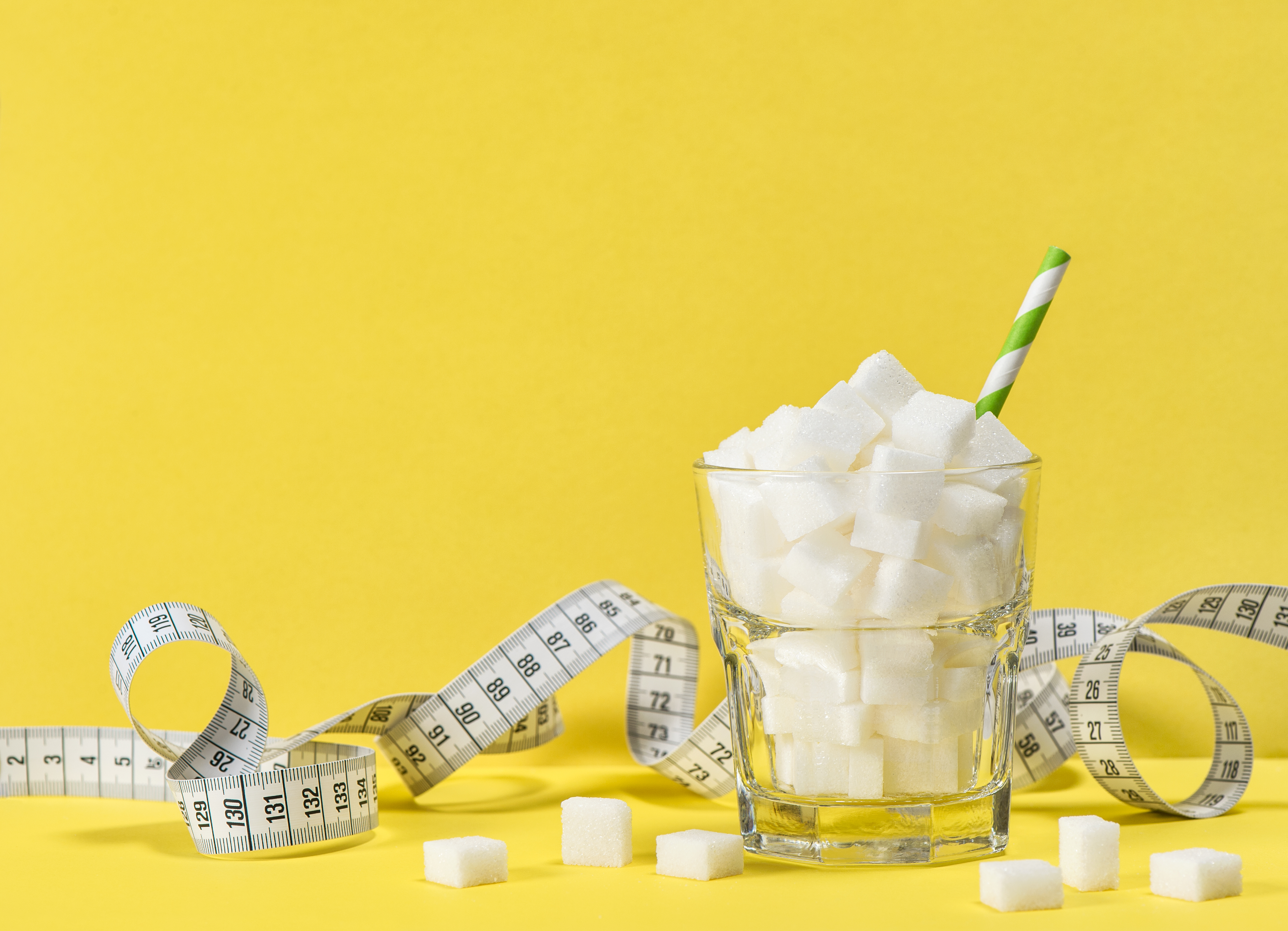
Giving up sugar is an admirable goal for anyone looking to lose weight or improve their overall health. Ingesting too much sugar can contribute to fatty liver disease and may increase your risk of stroke, heart disease, osteoporosis, and cancer, according to several studies reported by Dartmouth Health.
People ages two and older should limit their added sugars to less than 10% of their daily calories. If you eat a 2,000 calorie diet, that means you should have no more than roughly 12 teaspoons of added sugar in your diet, according to the CDC. The American Heart Association recommends no more than 9 teaspoons of sugar for men and 6 teaspoons for women.
Because sugar is addictive, delivering a dopamine high after consumption, it can be especially tough to quit. But making small changes to your diet can deliver big results over time.
Reduce or eliminate sugary drinks
Sugar-sweetened beverages, especially soda, make up nearly one-quarter (24%) of added sugar in most people’s diets, according to the AHA. Sugar added to coffee or tea makes up another 11%. By swapping out soda, fruit drinks, and fancy coffee beverages for seltzer, naturally flavored waters like Hint, or black coffee or tea, you can cut nearly one-third of the sugar from your diet.
Choose natural foods over highly processed desserts
Desserts and sweet snacks, including cookies, brownies, ice cream, cakes and pies, make up 19% of many people’s added sugar intake. Consider replacing a nightly dessert with fresh berries and homemade whipped cream sweetened with monk fruit or Greek yogurt with fruit you add yourself. You can satiate your sweet tooth with these healthier choices. If you enjoy dessert every night, try tapering off to a few nights a week until you can let the habit go and save dessert for special occasions, only.
Reduce sugar in small ways
If you’re baking at home, the AHA recommends reducing the sugar in a recipe by one-third to one-half. If you can taste the difference, consider adding a hint of monk fruit, instead. Or try baking with monk fruit, which is an all-natural, 1:1 sugar alternative.
Slowly reduce the amount of sugar you add to coffee or tea
Learn to read labels
Sugar goes by many names but has the same effect no matter the source or what it’s called. Read labels to spot high fructose corn syrup, glucose, dextrose, sucrose, evaporated cane juice, malt syrup and many other names.
Sweeteners like maple syrup, honey, and agave nectar are no healthier than table sugar or high fructose corn syrup, according to MedlinePlus, part of the National Library of Medicine.
You may find hidden sugars in foods that don’t necessarily taste sweet, like ketchup, soup, nut butters and jarred marinara sauce. Learning to read labels and choose wisely can help you reduce your sugar intake without changing your lifestyle.
Remember your “why”
Whenever you undertake a challenging task, such as breaking a habit, it’s important to understand why you’re doing it.
“In order to allow yourself to be uncomfortable, you need to remember the thing that means more to you than escaping the discomfort,” Joanna Hardis, LISW-S, anxiety and OCD therapist, wrote in a recent blog post. “Your ‘why’ is the main reason you want to make a change.”
Maybe it’s to live longer to see your grandchildren grow up. Maybe you want to live an active, healthy life. Maybe you’re tired of the cravings and crash that come with sugar consumption.
“[Y]our reason(s) to change have to be stronger than your reason(s) to say the same,” Hardis wrote.
Looking ahead
Better health and fitness is on many Americans’ minds in 2026, too. “Exercising regularly” and “Cooking more meals at home” were the top two choices in plans to improve their lives across demographics, according to the CheckMyInsurance survey.
All cohorts but Gen Z listed exercise as their top goal; Gen Z listed cooking at home number one, with exercise in second place.
Cooking at home allows you to control the ingredients and sugar content; if you didn’t kick the habit in 2025, it’s not too late.
More from Nifty50+
- Year In Review: 2025 celebrity news that GenX & Boomers actually care about
- New Study: The Rise of Loneliness Among Older Adults
- Why pets make the holidays happier for older adults, according to a new study
- The healing power of volunteering later in life