

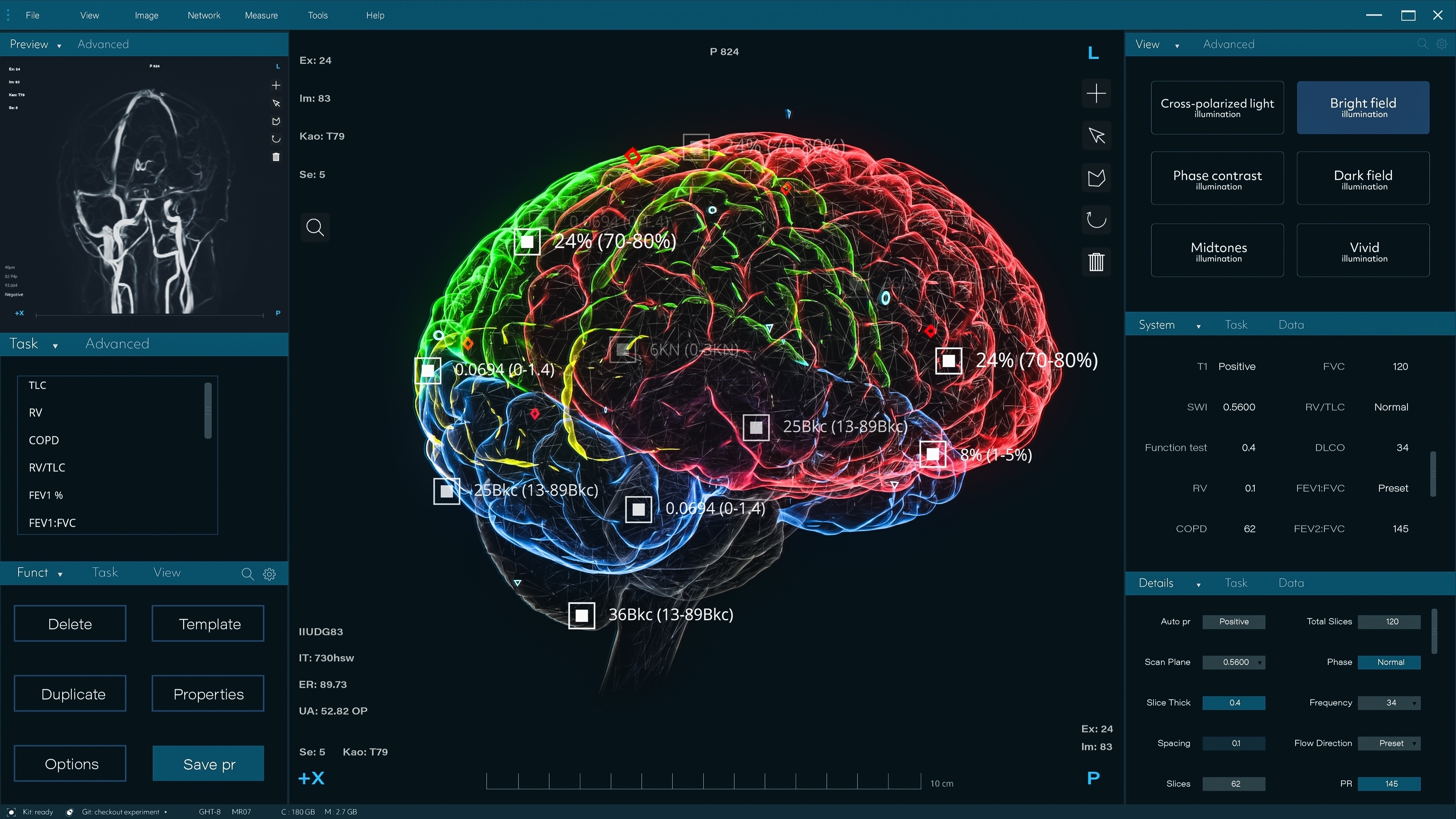
Those of us in our 50s or 60s may have concerns about Alzheimer’s Disease or may already be caring for aging relatives suffering from the most common form of dementia. But every year, researchers learn more about the disease, unlocking keys to earlier diagnosis and potential prevention. A recent National Institute of Health (NIH)-funded brain mapping study revealed that Alzheimer’s may damage the brain in two phases. This knowledge could lead to earlier detection.
Read: Inspiring stories from GenX and Boomers
“One of the challenges to diagnosing and treating Alzheimer’s is that much of the damage to the brain happens well before symptoms occur. The ability to detect these early changes means that, for the first time, we can see what is happening to a person’s brain during the earliest periods of the disease,” Richard J. Hodes, M.D., director, NIH National Institute on Aging, said in an article on the NIH website.
What You Should Know About the Study
Researchers working on the study, published in Nature Neuroscience, mapped the brains of 84 people and found that damage to inhibitory neuron cells in phase one of the disease’s development may trigger later neural circuit problems that manifest quickly during the second phase.
The earliest changes involve slow accumulation of plaques in the brain, immune system activation in the brain, damage to cellular insulation, and the death of somatostatin inhibitory neurons. Previously, scientists thought Alzheimer’s primarily damaged excitatory neurons – the opposite of SST inhibitory neurons.
A separate study, also funded and reported by NIH.gov, mapped brains that are part of Seattle Alzheimer’s Disease Brain Cell Atlas. The study, led by MIT researchers, revealed that the gene REELIN may be associated with certain neurons’ vulnerability to Alzheimer’s.
Together, the studies can help pharmaceutical companies develop drugs to treat the disease more effectively at different stages.
AI Unlocks More Possibilities for Earlier AD Treatment
Brain mapping is just one use of AI in the study of AD.
Earlier this year, panelists at the annual CES event in Las Vegas discussed other ways artificial intelligence may help in the early identification and prevention of Alzheimer’s.
The panel discussion, “Mission-Driven Innovation: Solving Humanities Biggest Challenges,” explored advances where science, technology, and medicine converge. “We are seeing advances within our understanding, treatment, and diagnostics of the disease around the same time that technology, AI, and machine learning are having a moment,” Dr. Joanne Pike, CEO and president of Alzheimer’s Association, said during the panel.
UC-SF Technology Predicts Alzheimer’s Based on Risk Factors
A study from UC San Francisco used machine learning to identify predictors of Alzheimer’s with up to 72% accuracy, seven years before the disease would emerge in an individual. Some of the risk factors for people of all genders include hypertension, high cholesterol, and vitamin D deficiency.
“One of the challenges to diagnosing and treating Alzheimer’s is that much of the damage to the brain happens well before symptoms occur. The ability to detect these early changes means that, for the first time, we can see what is happening to a person’s brain during the earliest periods of the disease.” — Richard J. Hodes, M.D., director, NIH National Institute on Aging.
“This is a great example of how we can leverage patient data with machine learning to predict which patients are more likely to develop Alzheimer’s, and also to understand the reasons why that is so,” the study’s senior author, Marina Sirota, PhD, associate professor at the Bakar Computational Health Sciences Institute at UCSF, said in an article about the study published on the University of California, San Francisco website.
Referring to this and other studies, Pike shared her thoughts for the future with the CES audience, “We have seen in the data that the earlier someone is diagnosed, the earlier they start [treatment], the better their outcomes… How can we utilize and harness the power of data and AI? How can we find individuals who may be at risk of cognitive decline and get them in the diagnostic pipeline faster?”
More from Nifty50+
- Genes vs. lifestyle: Which has greater impact on how long you live?
- Study: Older generations are moving to be closer to family – but they have some regrets
- Coffee, wine, chocolate: After 50, should you rethink your consumption of these?
- Ladies, let’s talk about bladder leaks as you age … because nobody does