

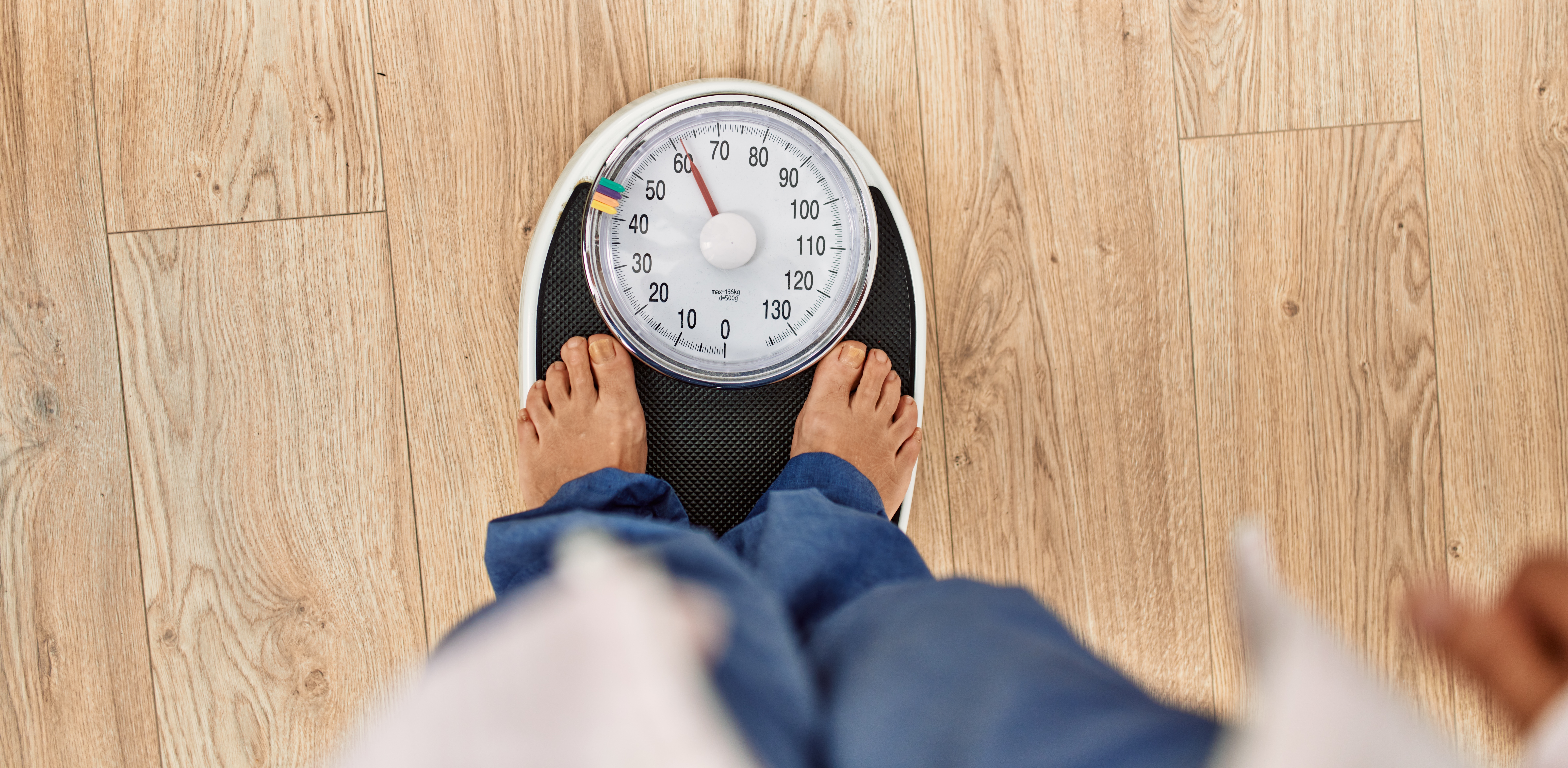
Weight changes are a normal part of the aging process. You might unintentionally lose a few pounds, or gain some — and that’s a natural shift with age. While it’s easy to get discouraged at the number on a scale, what matters most as an older adult is your strength, energy, and overall well-being, not just a specific number. Small but impactful adjustments to your diet, physical activity, and living environment can help you maintain a weight that enables you to feel your best.
Read: More helpful health stories
Why does weight change with age?
Several factors can contribute to weight changes in later life.
These include:
- Metabolism shifts: Metabolism remains relatively stable throughout early and mid-adulthood, but it gradually declines later in life. After age 60, metabolic rate tends to decline slightly each year — often due to muscle loss and reduced physical activity.
- Sarcopenia: Sarcopenia is the age-related loss of muscle mass, strength, and function. Inactivity, hormonal changes, and poor nutrition can all play a role. Because muscle burns more calories than fat, losing muscle can also affect weight and metabolism.
- Appetite changes: Many older adults report reduced hunger, sometimes referred to as the “anorexia of aging”. This can be linked to conditions like malnutrition, sarcopenia, depression, apathy, and frailty. Research suggests it affects about 15-30% of community-dwelling older adults.
- Health conditions and medications: Unintentional weight loss may be linked to conditions such as cancer, dementia, depression, heart disease, or COPD. In contrast, diabetes, sleep apnea, heart failure, and Cushing’s syndrome can contribute to weight gain. Certain medications — including some antidepressants, antipsychotics, and diabetes medications — can also affect weight gain.
- Social and lifestyle factors: Reduced mobility, loneliness, stress, and limited access to nutritious foods can all influence weight over time.
When weight loss is a health concern
Losing or gaining a few pounds is typically seen as a normal part of aging. However, significant or unexplained changes may signal an underlying issue. Unintentional weight loss that exceeds 5% of their body weight within six to 12 months may signal medical concerns such as cancer, depression, chronic disease, or cognitive changes. Potential complications can include malnutrition, extreme fatigue, muscle wasting, and reduced bone density.
If you notice ongoing or unexplained weight loss, please check in with your healthcare provider.
6 Tips for healthy weight management in older adults
Below are some tips for supporting weight management in later life:
1. Prioritize protein to protect muscles
Getting enough protein is important, as older adults typically need more than younger adults to support muscle strength and maintenance. Experts recommend about 1.2-2.0 grams of protein per kilogram of body weight per day, depending on health status.
Good sources of protein include fish, lean meats, eggs, and plant-based options like beans, tofu, and lentils.
2. Add strength training to your exercise routine
Chair squats, calf raises, and wall push-ups are strength-training exercises that can help maintain muscle and bone health and reduce the risk of frailty. The Centers for Disease Control and Prevention (CDC) recommends engaging in strength training at least twice per week, with at least 48 hours between sessions.
3. Choose nutrient-dense foods
Foods such as fish, lean meats, eggs, leafy greens, and nuts provide essential nutrients without excess calories. Prioritizing protein, vitamin B12, calcium, and fiber helps maintain muscle, support bone health, aid digestion, and reduce the risk of malnutrition.
4. Stay hydrated (even when you’re not thirsty)
Because aging can reduce your muscle mass, it can also affect your body’s ability to store water, making you feel less thirsty — even when you need hydration. In fact, older adults are at a higher risk of dehydration than younger adults, even more so if they have dementia or Alzheimer’s.
The National Academy of Medicine (NAM) recommends approximately 13 cups of fluids per day for men and 9 for women over 51, though individual needs vary. Water, milk, herbal tea, and electrolyte beverages like Pedialyte can all contribute to hydration.
5. Make meals social when possible
Loneliness can affect both appetite and overall well-being. Eating with friends, family, or at community meals can make eating more enjoyable and support healthier meal decisions. Studies show that shared meals can foster connection, reduce loneliness, and encourage better nutrition among older adults.
6. Set up your living environment for success
Your home environment can make healthy habits easier to maintain. Consider:
- Keeping your kitchen stocked with nutritious foods
- Decluttering your space for safe movement
- Leaving walking shoes, resistance bands, or dumbbells visible
- Limiting long periods of sedentary time
- Keep a water bottle nearby
When it comes to weight management, sustainable, gentle habits tend to work best. Your body may need time to adjust to changes in activity or nutrition, and gradual progress is perfectly okay. Regular check-ins with your healthcare provider can also ensure you’re on the right track.
Remember, weight management isn’t just about the scale — it’s about supporting longevity, vitality, and independence.
More from Nifty50+
- Challenges of caring for elderly family add up; get expert tips to help
- Want to be a better spouse? Get an exercise routine
- Just how long is “long” for long-term health care?
- Biohacking for Active Aging: Top Wearables Explored