

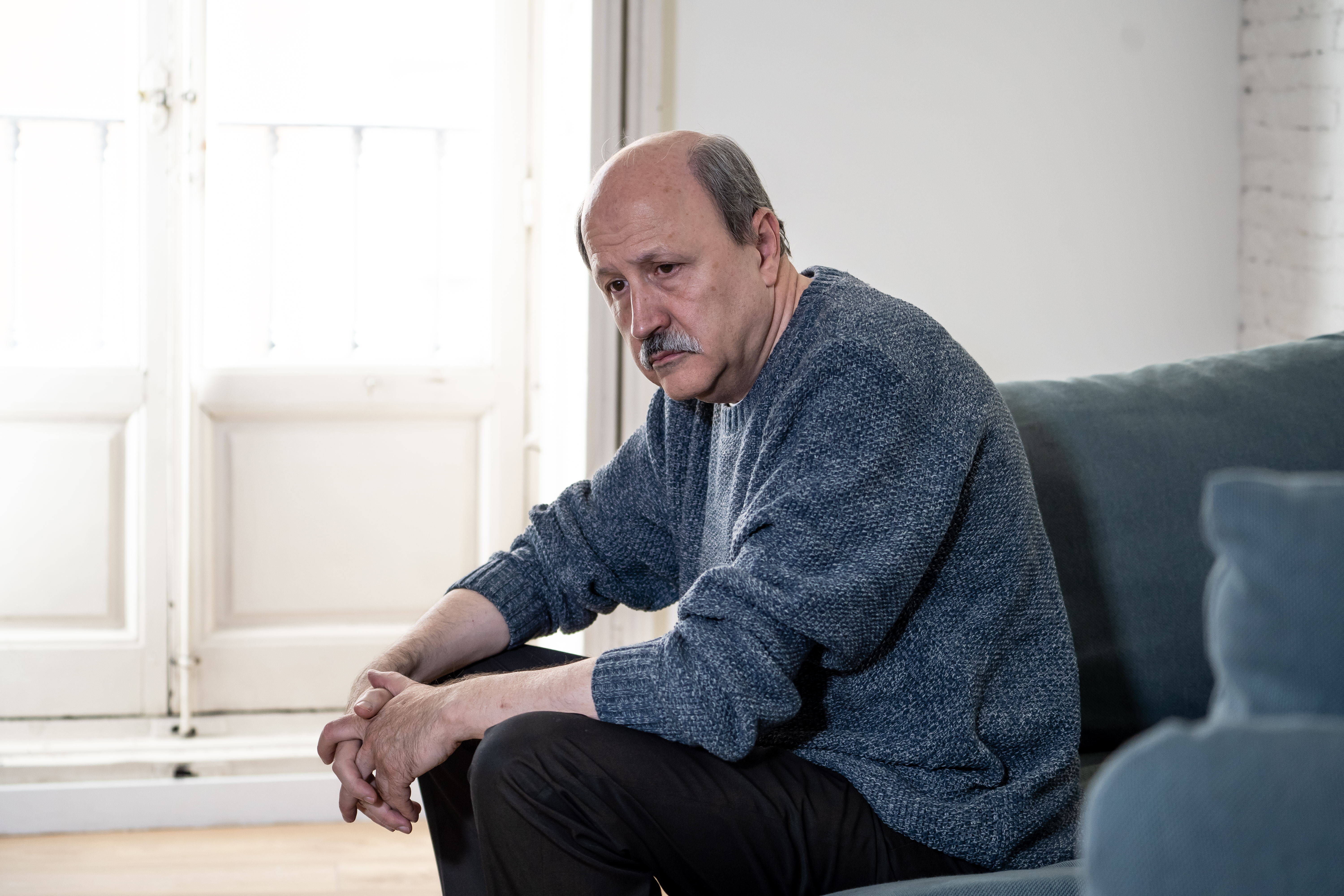
As Valentine’s Day approaches, people tend to think about romance and who they are with if anyone. “I’m alone, but I’m not lonely,” master criminal Neil McCauley, played by Robert De Niro, says in the 1995 film Heat. It’s a line that captures a common misunderstanding.
Read: Inspiring stories from GenX and Boomers
Discover: More informative family stories
Many people assume that living alone automatically means living a sad or isolated life. But being alone and feeling lonely are not the same thing. And that distinction matters — especially if you’re tired of explaining to others that you’re not lonely, just independent. At the same time, it reminds us that someone can be in a crowded room and still feel completely alone.
Loneliness vs. Being Alone
While the two terms are often used interchangeably, they mean very different things. Being alone, or social isolation, refers to an objective situation: living by yourself or having few social contacts. Loneliness, on the other hand, is subjective. It’s the emotional feeling of being disconnected, unseen, or not meaningfully understood — regardless of how many people are around. It’s the gap between the relationships you want and the relationships you feel you have. Both are common in later life. A 2020 analysis found that 24% of U.S. adults age 65 and older were socially isolated. More recent polling suggests roughly one in three older adults report feeling isolated at least some of the time. Meanwhile, 43% of adults age 60 and older reported feeling lonely, with about 1 in 10 saying those feelings occurred “often.” Importantly, these experiences don’t always overlap. Many older adults live alone and feel content, socially connected, and fulfilled. Others may live with family or see people regularly yet still feel deeply lonely.
Loneliness Is the Bigger Concern
Loneliness isn’t just an emotion. Researchers believe it evolved as a signal — a nudge that our social bonds need attention. In small doses, it can motivate reconnection. You might scroll through old photos, think of someone you miss, and decide to call. But when loneliness becomes chronic, it begins to affect health.
Large reviews show that loneliness and social isolation are linked to serious health risks. Studies have found:
- About a 50% increased risk of developing dementia
- Around a 30% higher risk of heart disease or stroke
- Roughly a 26% increased risk of early death
A large 2010 review found that loneliness was associated with a 45% higher odds of death. The strength of that association was about twice that reported for obesity and roughly four times that linked to air pollution in comparable analyses.
What Loneliness Does to the Brain
Losing connection doesn’t just feel painful — it can change how the brain processes the world. Research suggests that when people feel socially isolated, the brain shifts into a kind of self-protection mode. It becomes more alert to possible social threats. Someone who feels lonely may become more sensitive to rejection, criticism, or subtle social slights. Brain regions involved in vigilance and threat detection show increased activity.
At the same time, social interactions may feel less rewarding. Even if someone wants connection, it can feel more effortful, less natural, or emotionally draining. Loneliness has also been linked to faster cognitive decline and higher Alzheimer’s risk. One proposed explanation is stress biology. Chronic loneliness activates the body’s stress response system, increasing stress hormones, blood pressure, inflammation, and sleep disruption. In one study of adults ages 70 to 90, those with higher loneliness scores had significantly higher C-reactive protein (CRP), a marker of systemic inflammation. When that stress response remains elevated over time, it can begin to affect brain health and overall physical health.
Being Alone Has Its Benefits
Here’s the part that often gets overlooked: solitude is not the same as isolation. Many older adults genuinely enjoy quiet time. They value autonomy, routine, and the ability to recharge without constant social demands. And that preference is not a problem.
A study that followed adults for 21 days examined how daily time spent alone versus time spent with others related to well-being. On days when people spent more time alone than usual, they did tend to report slightly more loneliness — but mostly when that time alone wasn’t their choice. When solitude was intentional and voluntary, those negative effects were much weaker or disappeared. In fact, chosen alone time was associated with lower stress and a stronger sense of autonomy.
In other words, wanting quiet time doesn’t mean something is wrong. It can actually support well-being. That said, living alone can come with indirect risks. Solo living may reduce practical support — such as help with transportation, medication management, or noticing early health changes. Having someone nearby can make a difference in emergencies like falls, stroke, or sudden illness.
It’s understandable that well-meaning people worry. Being alone does increase vulnerability to social isolation and, over time, to loneliness. Living alone is also a risk factor for loneliness—not a guarantee, but a meaningful risk. A long-term study of older adults found that the more socially cut off someone was, the more likely they were to feel lonely. When people became more isolated over time — for example after losing friends — their risk of loneliness rose. Abrupt life events, such as the death of someone close or a relationship deteriorating, also significantly increased the odds of loneliness. Both loneliness and prolonged social isolation are also linked to higher risks of depression, anxiety, high blood pressure, heart disease, cognitive decline, and dementia.
Being alone doesn’t automatically mean being lonely. Many older adults live independently and feel perfectly content. But over time, shrinking social circles, health changes, or major life transitions can increase the risk of loneliness — even for those who once felt fine on their own. But enjoying your independence doesn’t mean you have to give up connection. Solitude and social ties aren’t opposites. You can love your quiet mornings and still value a neighborly chat, or a standing lunch with a friend — just a few meaningful relationships and regular conversations can be enough to stay connected.
More from Nifty50+
- How Your Hair Reflects Heart Health and Aging
- Challenges of caring for elderly family add up; get expert tips to help
- Want to be a better spouse? Get an exercise routine
- Why weight fluctuations matter in aging adults